The Somerton Man and the words in his pocket
No wallet, no labels, no match for his fingerprints. Just two printed words torn from the last page of a book of poetry: it is finished.
- When
- December 1, 1948
- Where
- Somerton Park beach, Adelaide, South Australia
- Status
- Unsolved
Content note death. No graphic images.
In brief
On the morning of December 1, 1948, a well-dressed man was found dead against the seawall on Somerton Park beach in Adelaide, South Australia. The labels had been removed from his clothes, and he carried no identification. An autopsy suggested poison, but tests found none. A tiny scrap of paper in a hidden trouser pocket read "Tamám Shud," torn from the last page of a copy of the Rubaiyat of Omar Khayyam. The book itself turned up with a nurse's phone number and a string of letters that looked like a code. For more than 70 years he was the Unknown Man. His body was exhumed in 2021, and in July 2022 researchers Derek Abbott and Colleen Fitzpatrick announced that DNA from hair in his plaster death mask pointed to Carl "Charles" Webb, a Melbourne electrical engineer born in 1905. As of July 2026, South Australia Police had not completed their report to the coroner, and the identification had not been officially confirmed.
Turning pointHairs caught in the plaster cast of his face had survived for 70 years. In 2022, DNA from one of them led to a family tree and a man with no recorded death.
- Found
- Morning of December 1, 1948, against the seawall at Somerton Park beach
- Named by researchers
- Carl "Charles" Webb, born November 16, 1905, in Footscray, Melbourne
- Official identification
- Not yet confirmed by SA Police or the coroner, as of July 2026
- Cause of death
- Undetermined; poison suspected at the 1949 inquest but never found
- The scrap
- "Tamám Shud," torn from a copy of the Rubaiyat of Omar Khayyam
- Exhumed
- May 19, 2021, from West Terrace Cemetery
Watch the episode
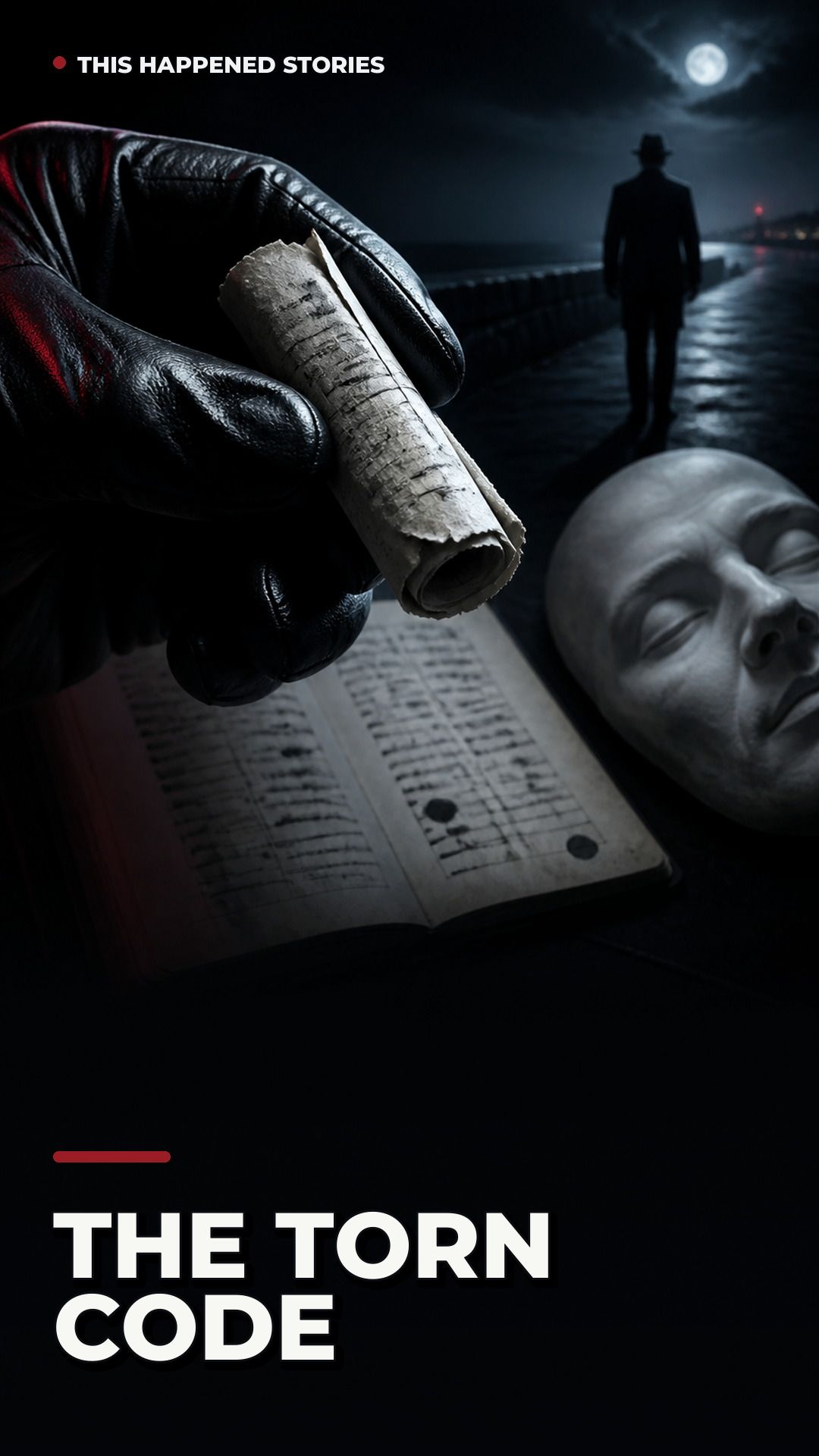
The Somerton Man Code
Also on TikTok
Timeline
November 30, 1948Evening
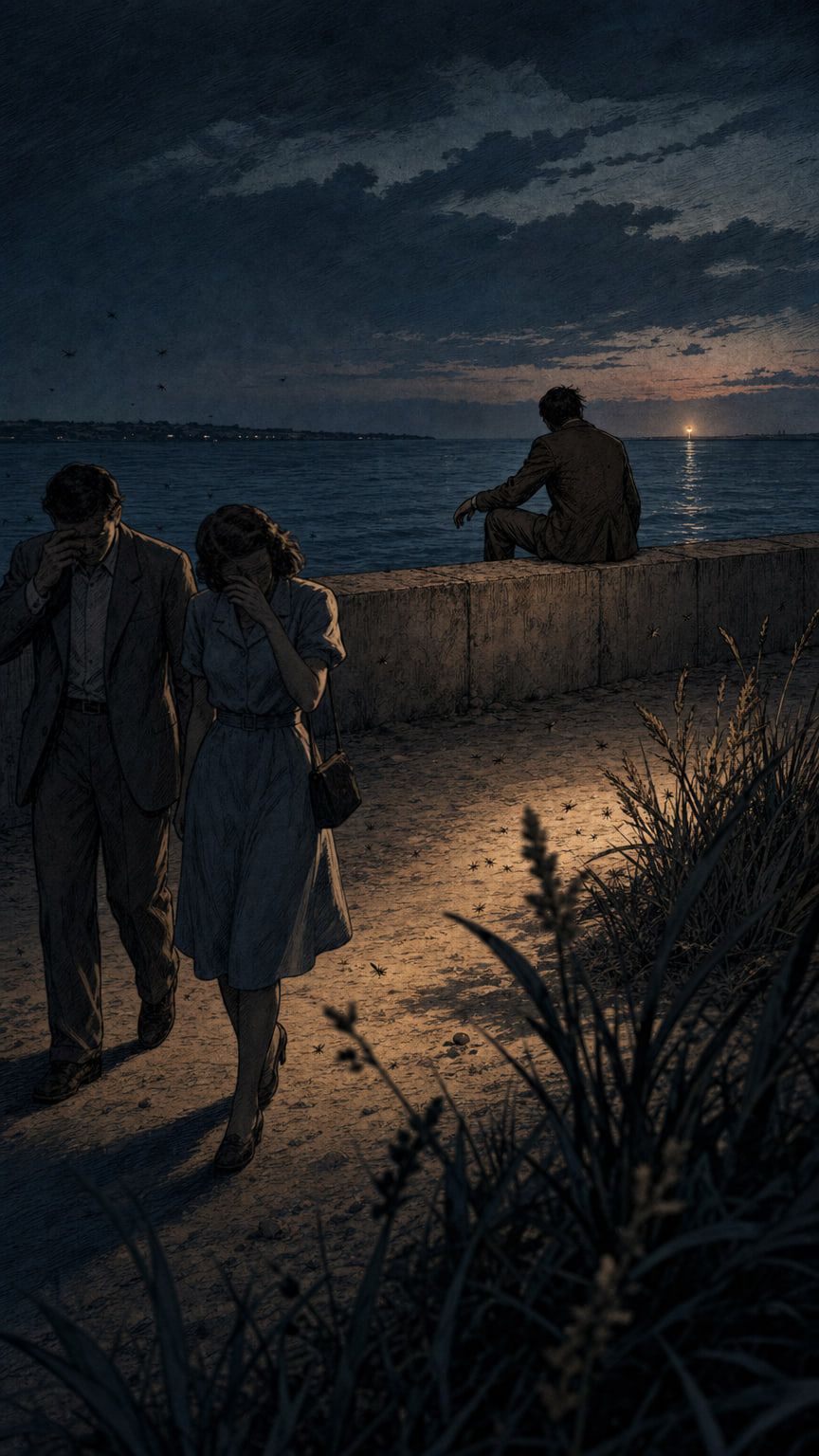
On Somerton Park beach, a couple see a man lying on his back by the seawall stretch out his arm and let it drop. Later, another couple notice he is not reacting to the mosquitoes and assume he is drunk or asleep.
December 1, 1948Morning
Two trainee jockeys exercising their horses find a man dead in the same spot. He is well dressed, with no hat, wallet or identification, and the labels have been removed from his clothes.
December 1948
The autopsy points toward poisoning, but tests find no foreign substance. His fingerprints match no police records in South Australia, and later checks overseas, including by the FBI, also fail.
January 14, 1949
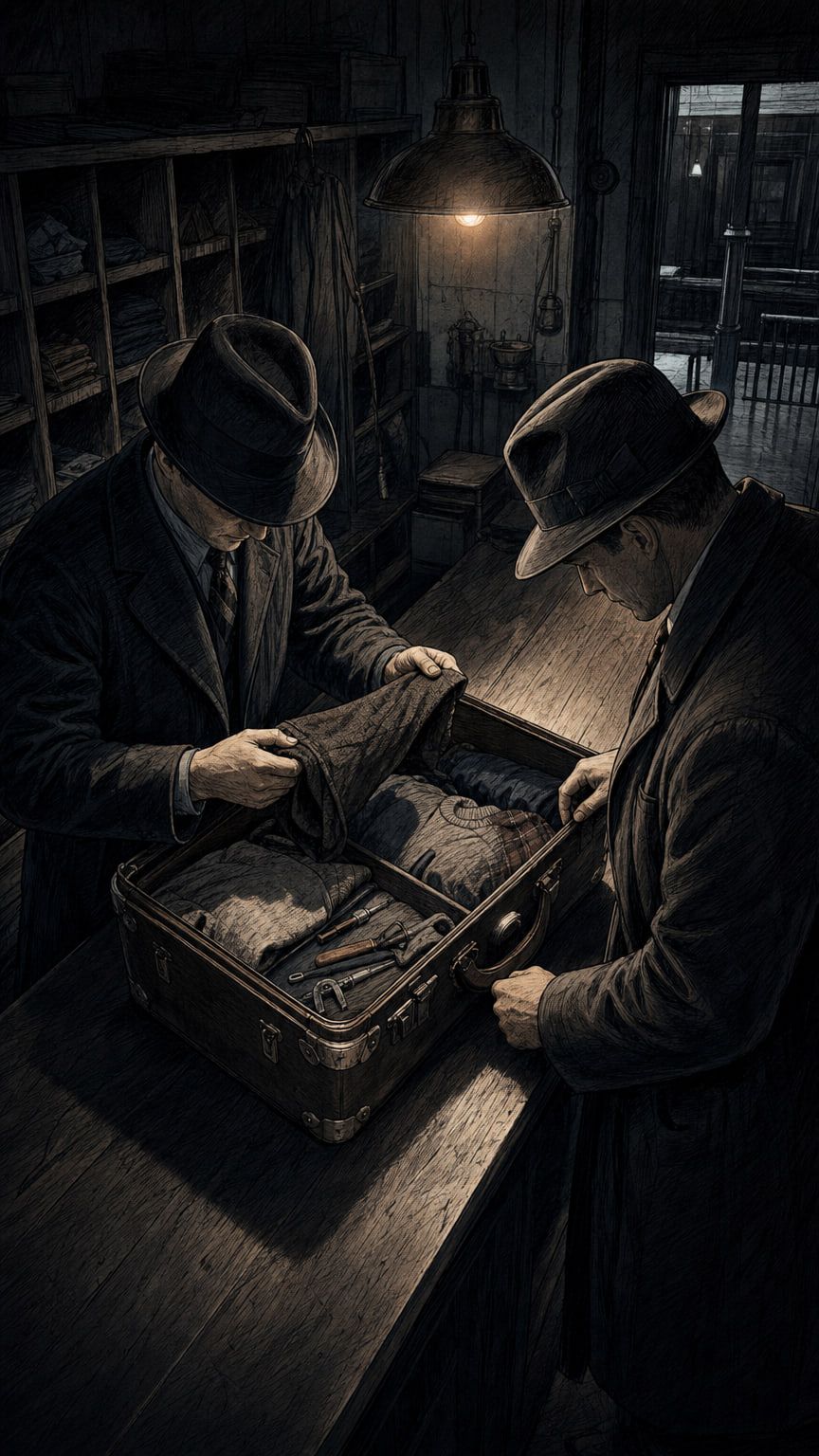
Staff at Adelaide railway station find a brown suitcase, its label removed, checked into the cloakroom on November 30. Inside are clothes, tools and thread matching a repair in his trousers. A tie is marked "T. Keane."
1949
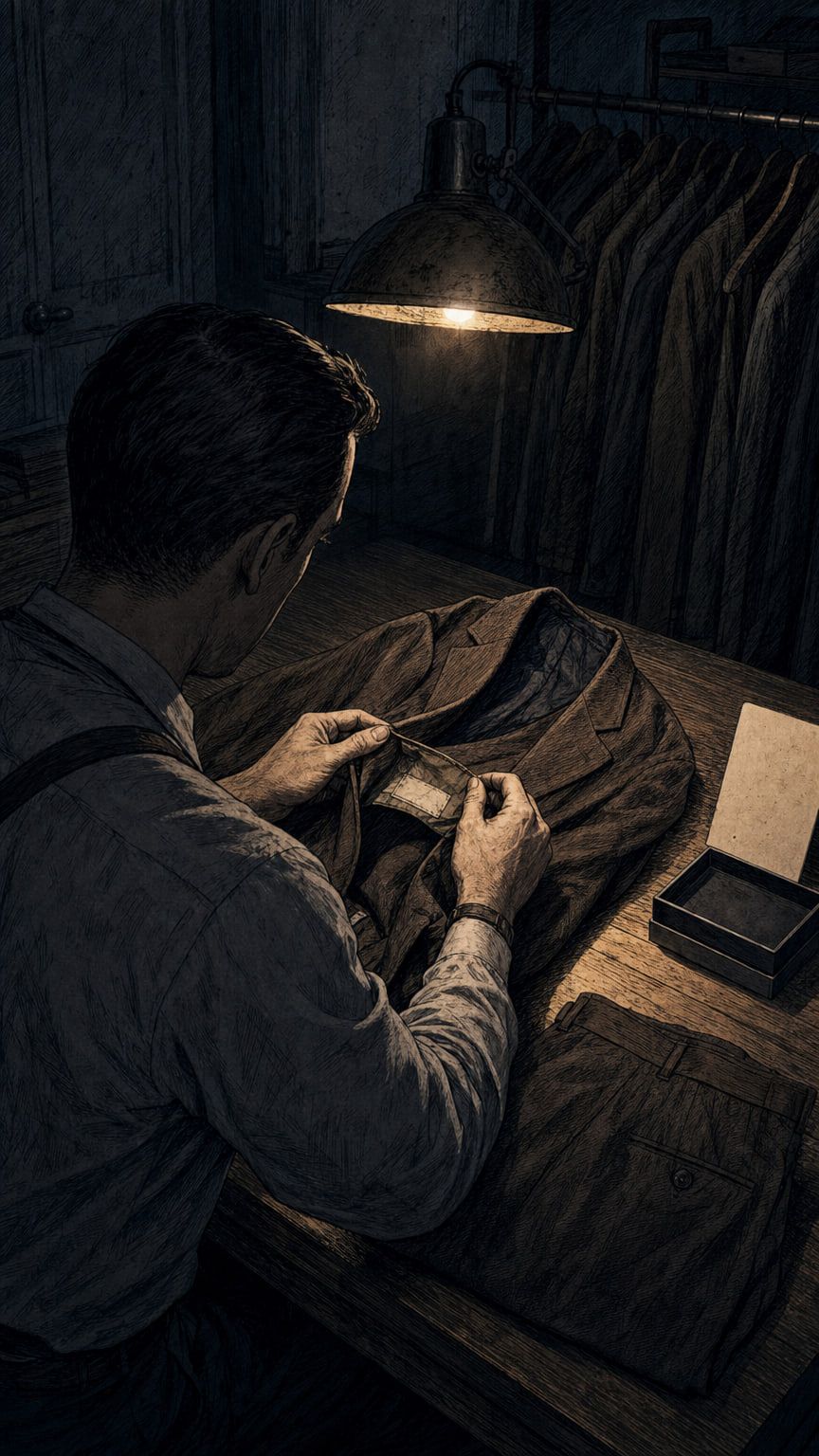
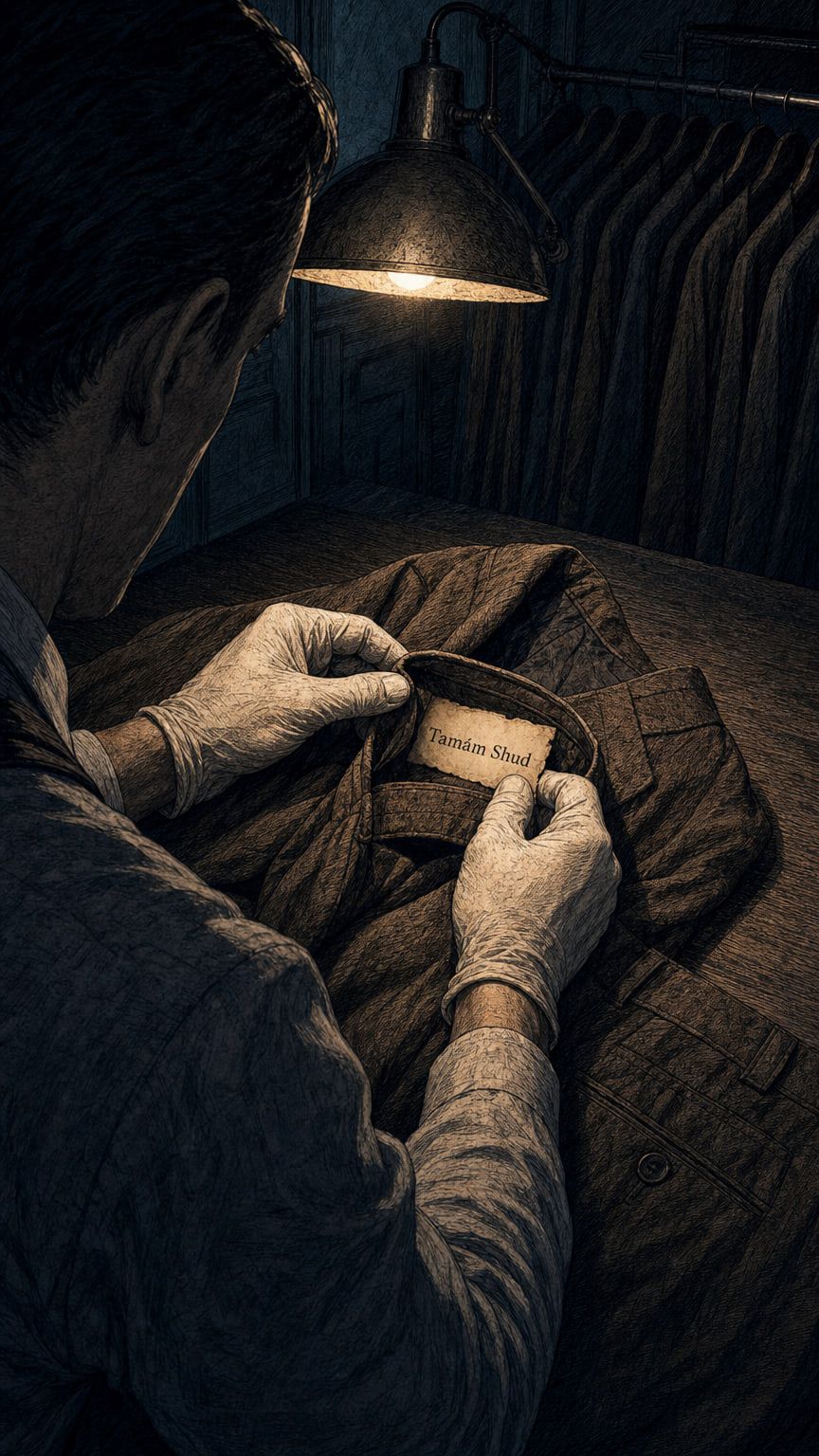
A tiny rolled scrap of paper is found in a fob pocket sewn inside his trousers. Library officials identify the printed words, "Tamám Shud," as the ending of the Rubaiyat of Omar Khayyam.
1949
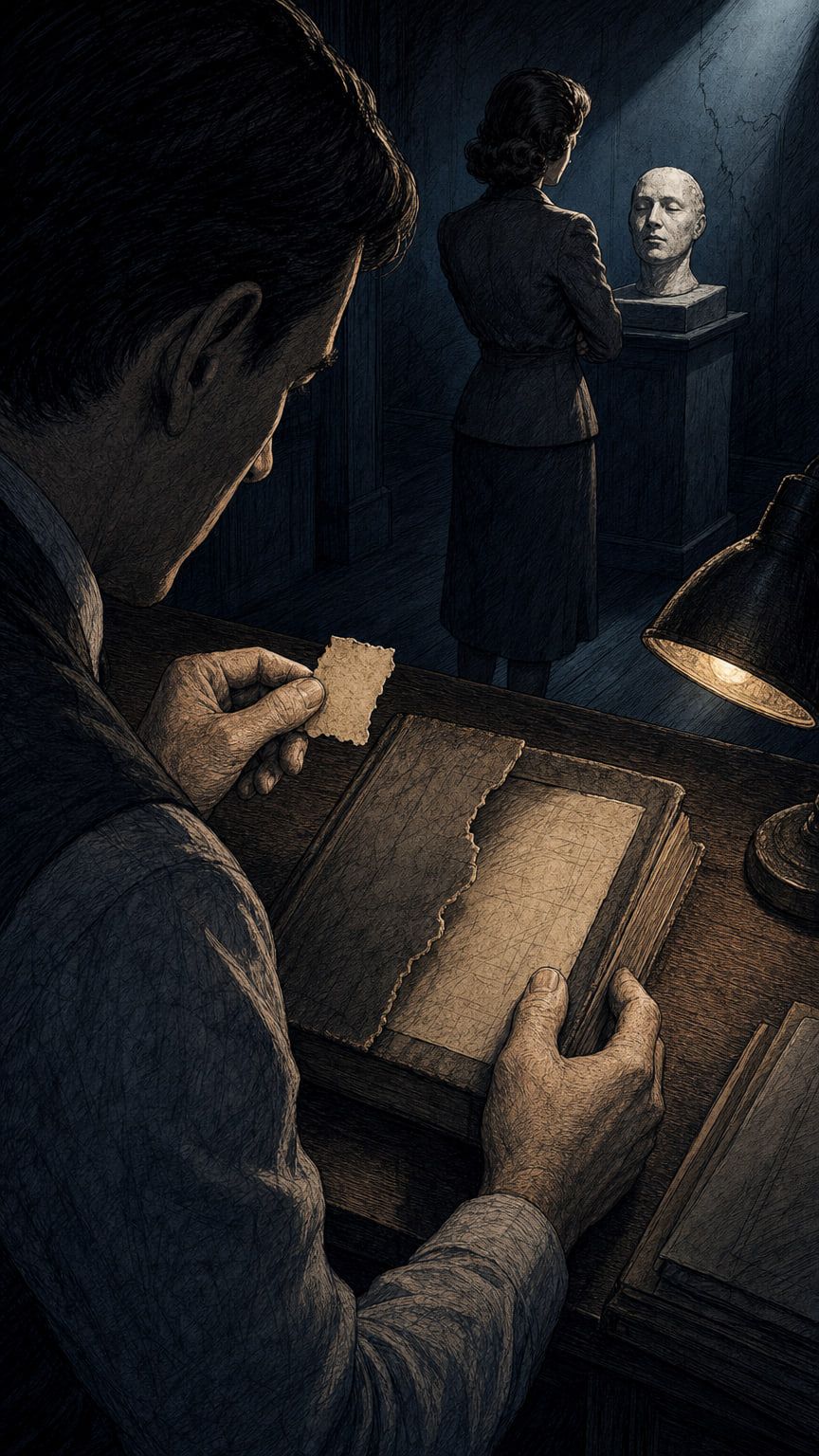
After a police appeal, a man brings in a copy of the Rubaiyat he says he found in a car in Glenelg. The last words are torn out. In the back are indentations of a phone number belonging to a local nurse, and five lines of capital letters that have never been convincingly decoded.
June 17, 1949
The inquest resumes. The coroner says he would be prepared to find the man died of poison but cannot say how or by whom it was given, or who he was. A plaster cast is made of his head and shoulders, and he is buried in West Terrace Cemetery.
May 19, 2021
South Australia Police exhume the body as part of Operation Persevere, an effort to identify unknown remains.
July 26, 2022
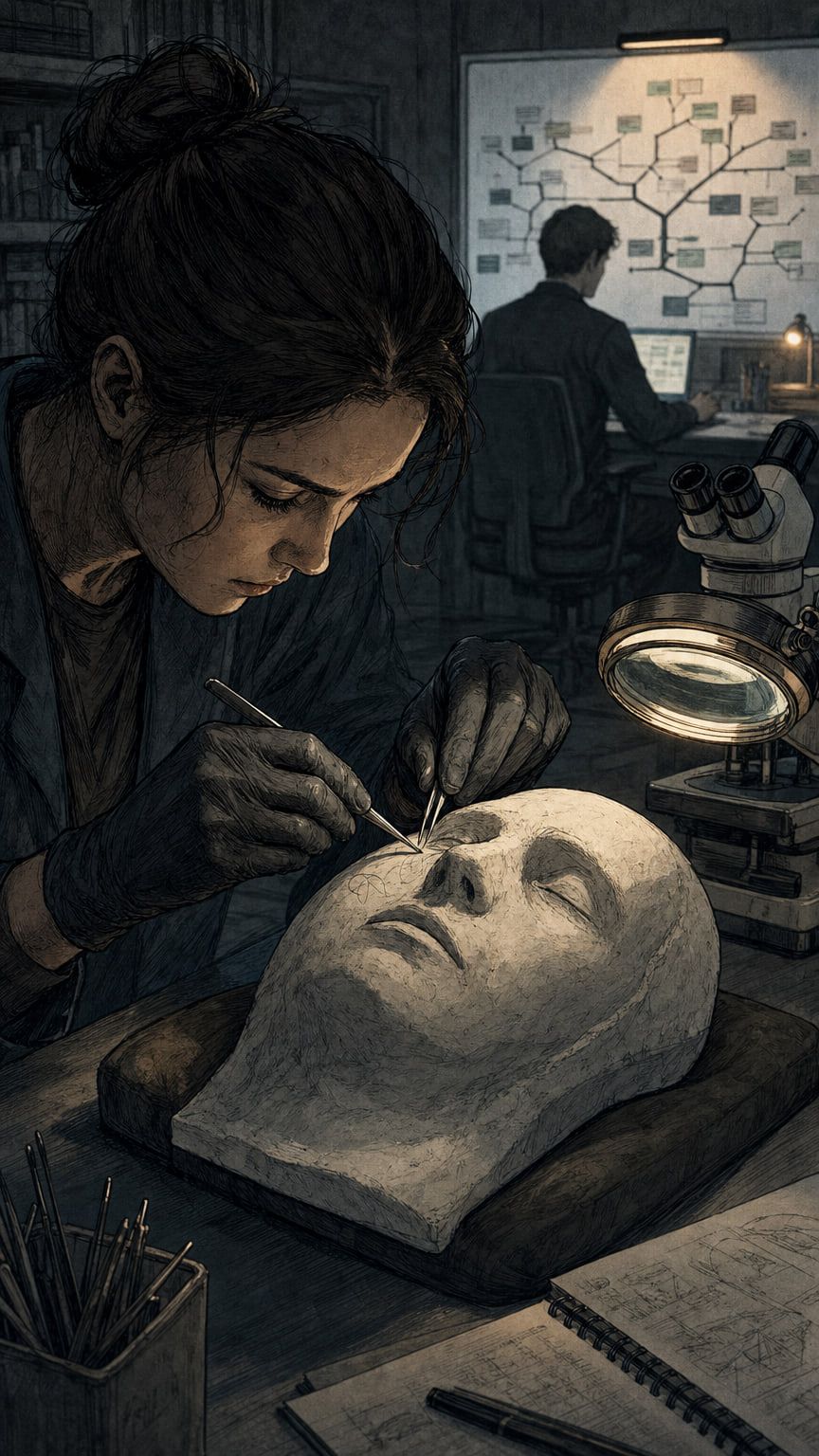
Derek Abbott of the University of Adelaide and genealogist Colleen Fitzpatrick announce that DNA from a hair in the plaster cast identifies him as Carl "Charles" Webb. Police say they are cautiously optimistic but have not verified it.
July 2026
SA Police say their coronial investigation is complex and ongoing. Abbott says he has been told a report to the coroner will come soon.
The full story
The man on the beach
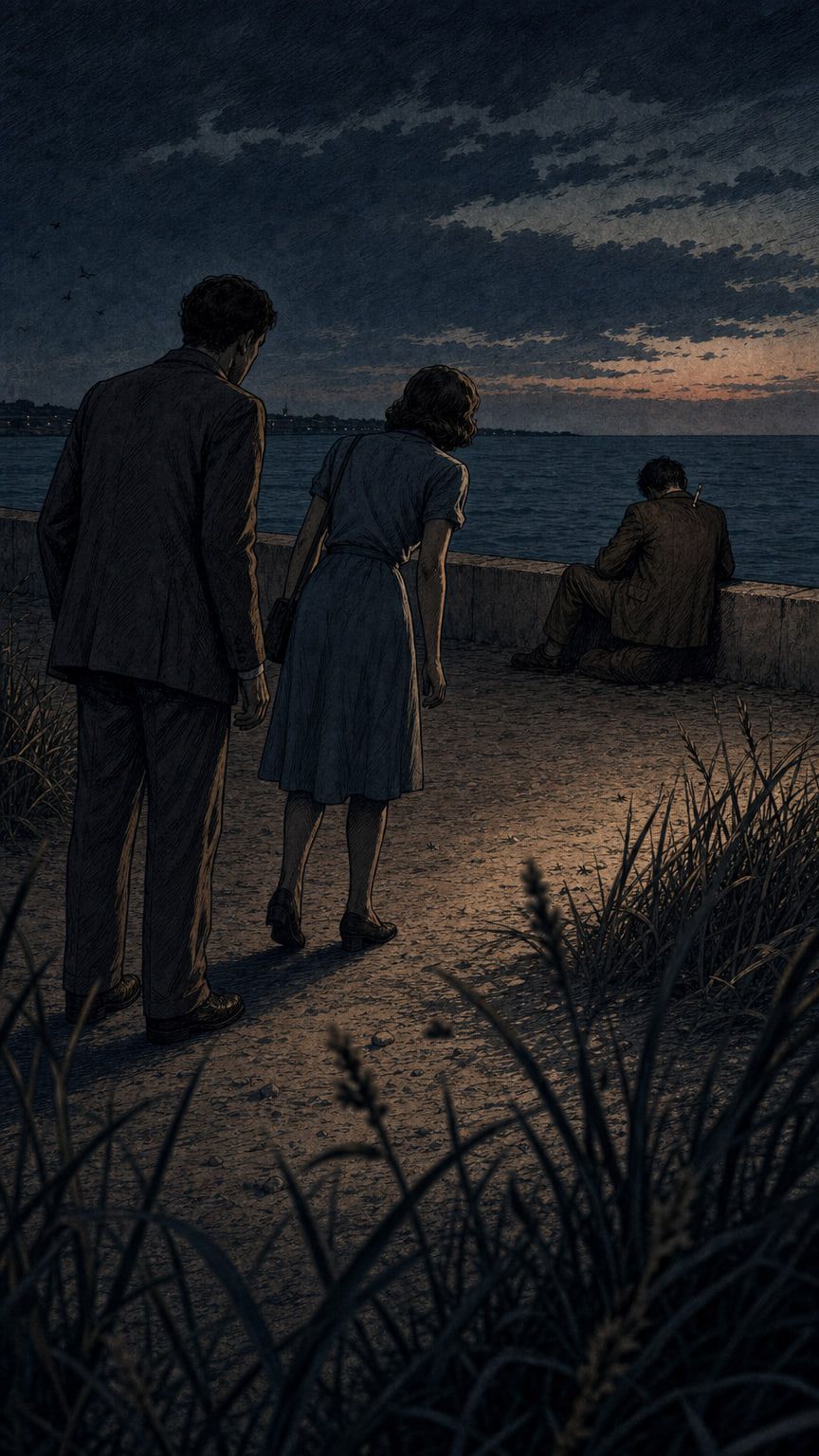
On the evening of November 30, 1948, people walking along Somerton Park beach, south of Adelaide, noticed a man lying on his back in the sand by the seawall. One couple saw him stretch out his arm and let it fall. Another thought it strange that he ignored the mosquitoes and decided he was drunk or asleep.
Early the next morning, two trainee jockeys exercising their horses found him in the same spot, dead. He wore a suit and polished shoes. He had no hat, no wallet and no identification, and the labels had been removed from his clothes. His fingerprints matched nothing on file in South Australia, and later nothing overseas.
The pathologist believed he had been poisoned, but tests found no poison. At the inquest in 1949, the coroner said he would be prepared to find that the man died of poison, but could not say whether he took it himself or someone gave it to him, and could not say who he was.
The clues
In January 1949, a suitcase with its label removed turned up at Adelaide railway station, checked in on November 30. It held clothes, tools, and orange waxed thread matching a repair in the dead man’s trousers. A few items were marked Keane, but no missing T. Keane could be found.
Months later, a tiny rolled scrap of paper was found in a fob pocket sewn inside his trousers. It carried two printed words, “Tamám Shud,” meaning it is ended or finished: the last words of the Rubaiyat of Omar Khayyam. After a public appeal, a man brought police a copy of the book he said he had found in a car in Glenelg. The final words had been torn out. In the back were the faint indentations of a phone number and five lines of letters that looked like a code.
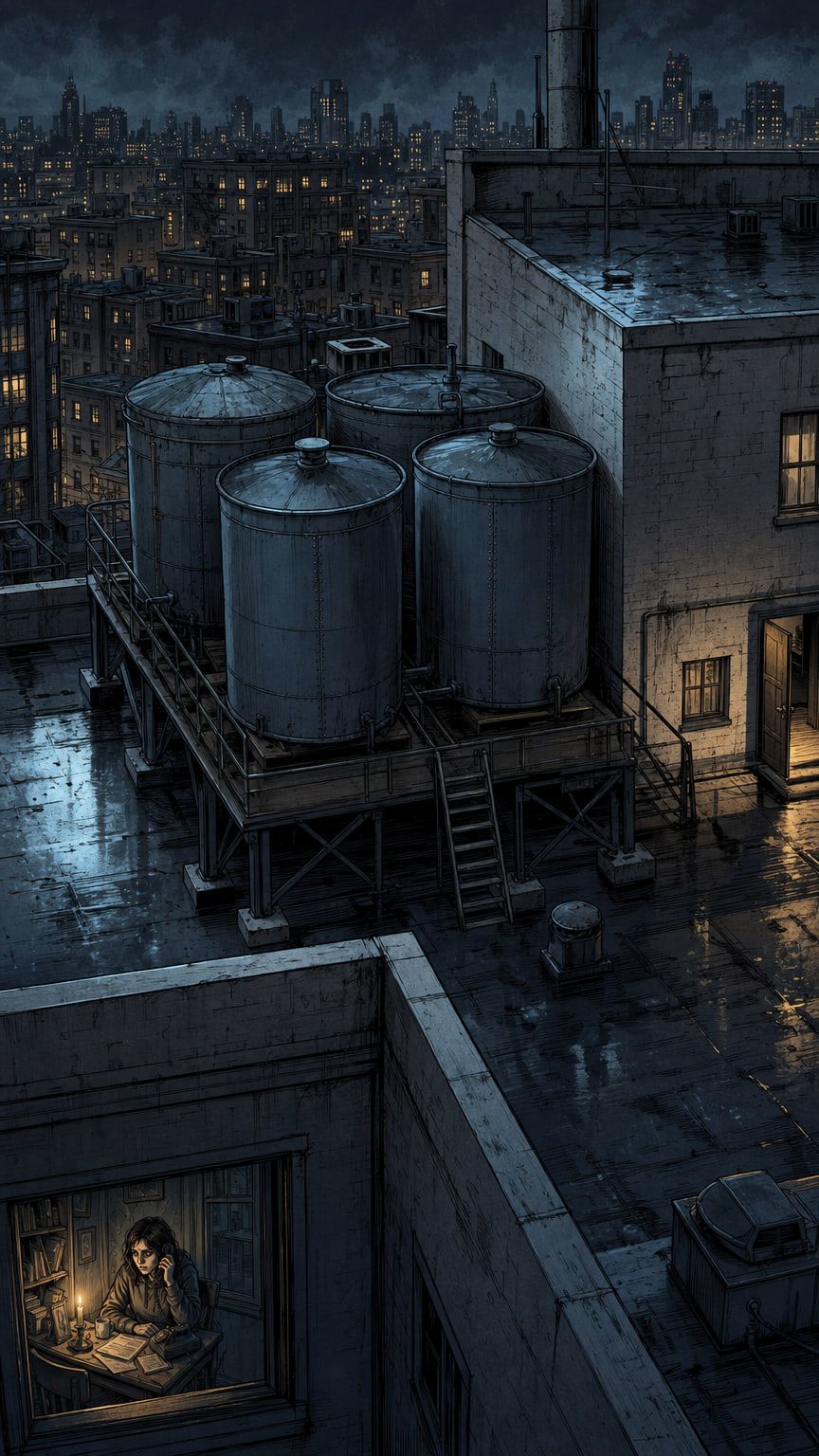
The number belonged to Jessica Thomson, a nurse who lived a few hundred meters from where he was found. She said she did not know him. When she was shown a plaster cast of his face, the detective said she looked as though she might faint. She died in 2007. Her daughter later said on television that she believed her mother had known who he was.
He was buried in West Terrace Cemetery in 1949 under a headstone for an unknown man.
A name
In 2021, South Australia Police exhumed the body. Separately, Derek Abbott, a University of Adelaide professor who had studied the case for years, worked with the American genealogist Colleen Fitzpatrick on hairs caught in the plaster cast. In July 2022 they announced that the DNA pointed to Carl “Charles” Webb, an electrical engineer and instrument maker born in Footscray, Melbourne, in 1905, who disappeared from the records after 1947.
Relatives later found photographs of a smiling young Charlie Webb in a family album. The name Keane fit, too: Webb’s nephew John Keane had died in World War II, and Abbott believes Webb was wearing his clothes.
Still open
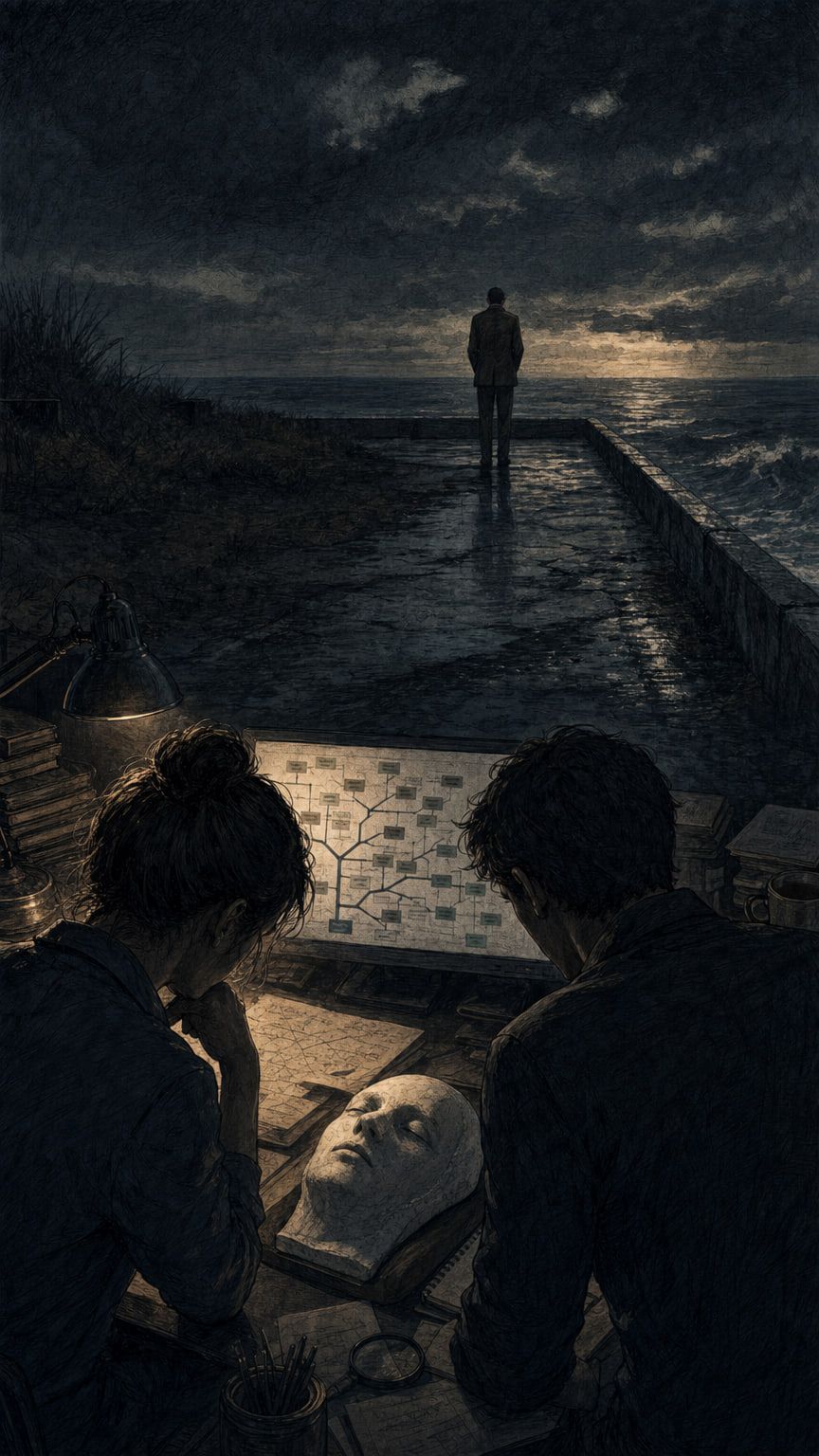
As of July 2026, police had not delivered their report to the coroner, and the identification was still not official. Even if it is confirmed, Abbott says, why Carl Webb came to Adelaide and how he died will probably never be known.
What the video couldn't include
Charlie, in the family album
In November 2022, relatives found 1920s photographs of Webb in a family album. One page listed names including "Charlie." In a group photo from a family gathering, he stands in the back row, smiling, with his hand playfully raised over the head of a man thought to be his brother-in-law.
How the DNA led to him
The hair yielded about 2 million DNA markers. Abbott and Fitzpatrick built out a family tree of some 4,000 people and looked for a man of the right age with no recorded date of death. One stood out, closely connected to a family named Keane. A living relative's DNA test then matched.
The only clue that has been explained
Abbott says the name Keane is the one clue now accounted for: Webb's nephew, John Keane, died serving in World War II, and Webb likely took ownership of his clothes when they were sent home.
The nurse
The phone number in the book belonged to Jessica Thomson, a nurse who lived about 400 meters from where the body was found. She told police she did not know the man. The detective who showed her the plaster cast described her as so taken aback she appeared about to faint. She asked police not to keep a record of her name, and they agreed. She died in 2007.
Not everyone is convinced
Forensic scientist Xanthe Mallett told the ABC that without a known sample of Webb's own DNA, such as a hairbrush, the identity may never be proven categorically. Retired detective Gerry Feltus said he would wait for the police results.
Why he died may never be known
Abbott told the ABC in 2026 that bones alone are very unlikely to show a cause of death after more than 70 years, and that police are focused on confirming who he was. He believes the questions of why Webb came to Adelaide and how he died will probably never be answered.
The evidence that is gone
The suitcase was destroyed in 1986. The 1948 and 1949 autopsy reports are missing, as are some witness statements. The copy of the Rubaiyat was lost in the 1950s.
The video and the record
The episode tells this case in about 3 minutes with illustrated recreations. Here is how its key moments line up with what is documented.
Mosquitoes swarmed Somerton Beach. Everyone except the man against the seawall
Compressed
Witnesses said it was odd that he did not react to the mosquitoes. The swarm and everyone else brushing them away are scene-setting.
A couple watched him raise one arm, let it fall, then decided he was drunk
Compressed
Two different couples: one saw the arm movement, another thought he was drunk or asleep.
At dawn, two riders found what looked like the same man
Documented
The ABC reports two trainee jockeys exercising their horses found the body.
An unlit cigarette rested against his collar
Compressed
Wikipedia's account, drawing on the police record, describes a half-smoked cigarette on his collar.
The name Keane led nowhere
Compressed
The Keane markings were on items in the suitcase, found weeks later. A search found no missing T. Keane.
The torn edge matched
Documented
Microscopic tests indicated the scrap came from the torn page.
Later accounts say she faltered when shown his plaster death mask
Documented
The detective's description of her reaction. She said she could not identify him.
A family tree of more than four thousand people
Documented
Reported as about 4,000 people or possible matches.
The dead man finally had a name
Compressed
The name comes from independent researchers. Police and the coroner had not confirmed it as of July 2026.
The seawall, the pocket, the station, the cast
Reconstruction
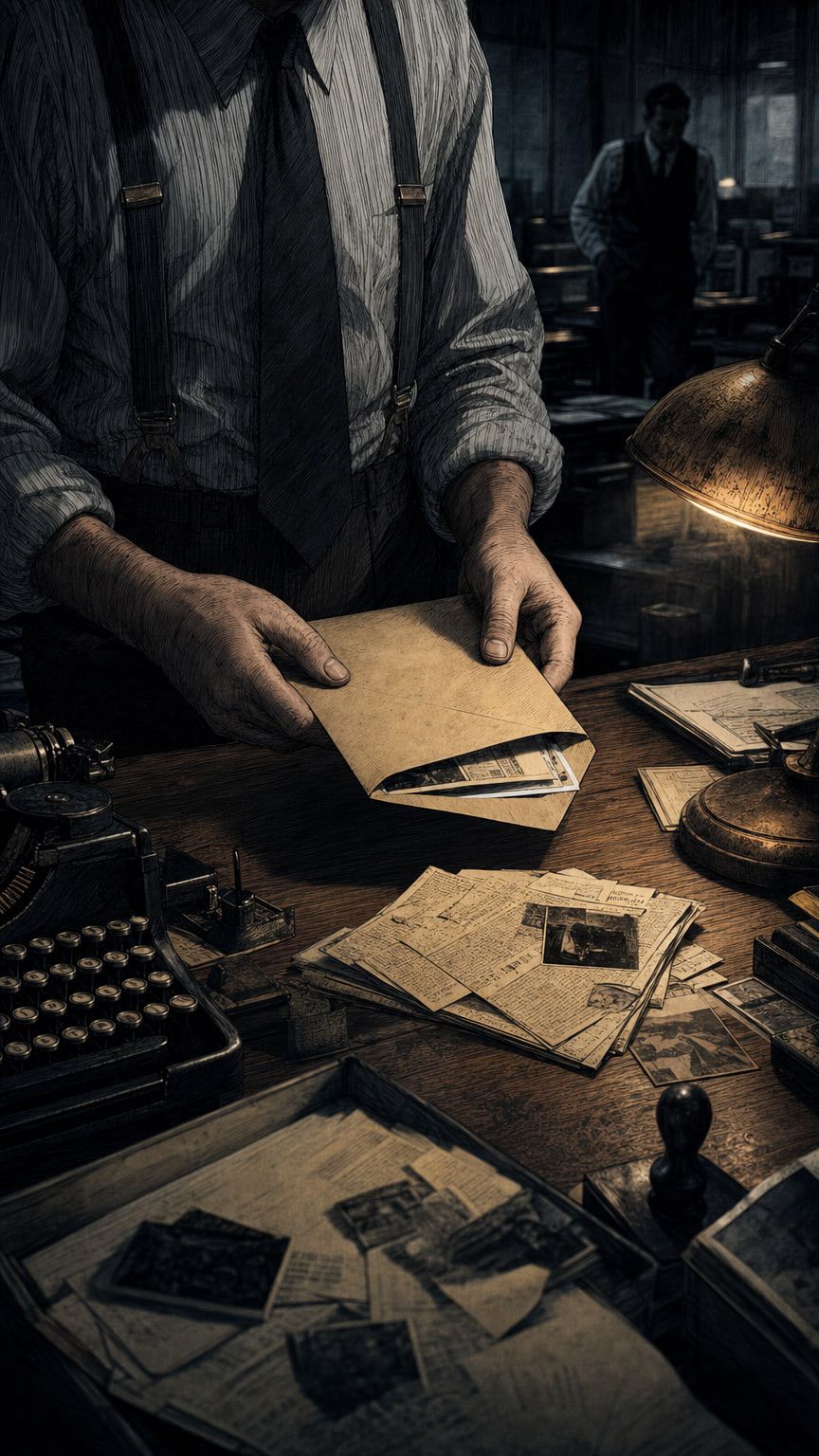
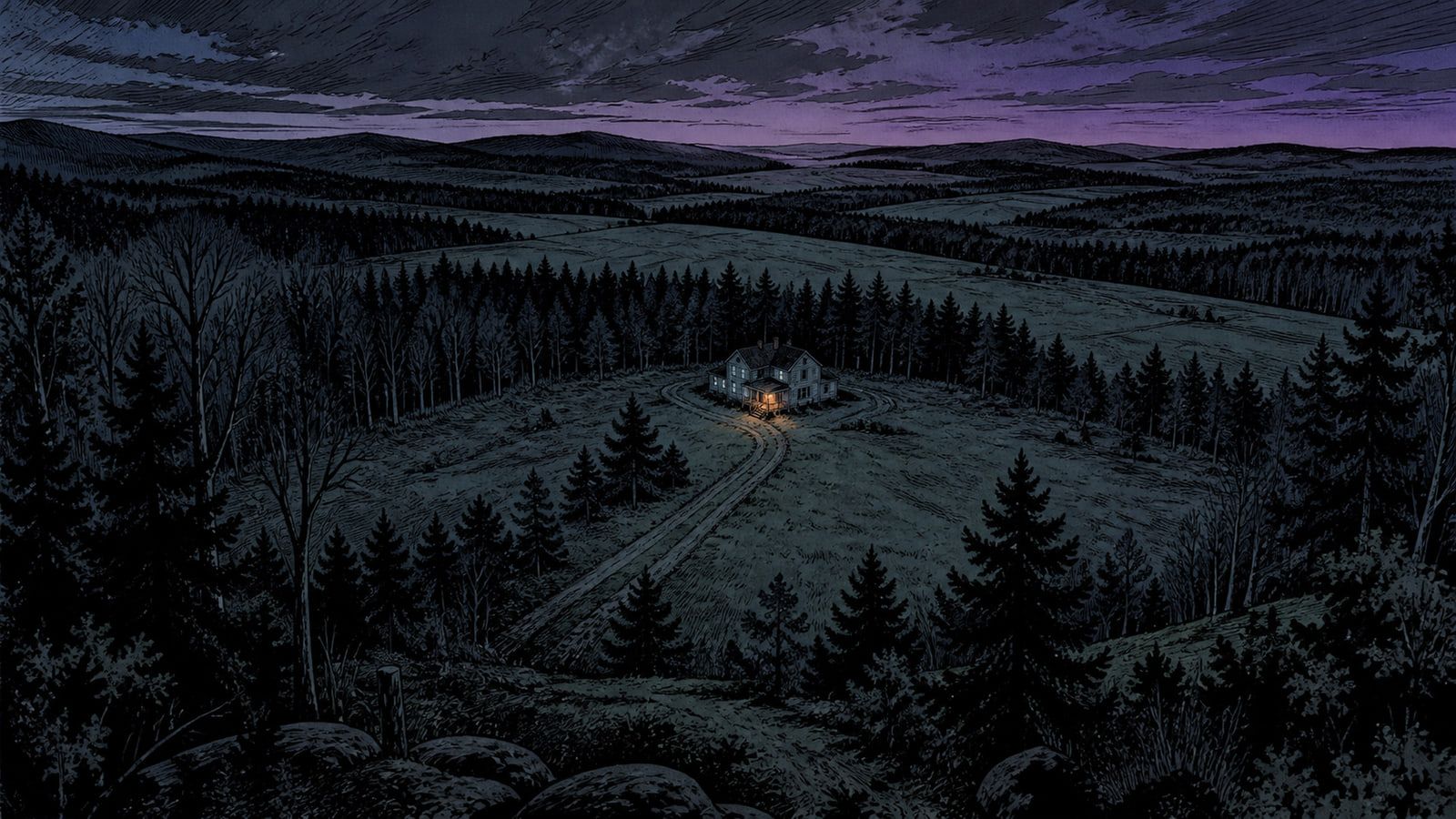
AI-generated illustrations. The body and the autopsy photograph are not reproduced.
What the four marks mean
- Documented
- Shown as it is recorded in court filings, police statements, or consistent reporting.
- Reconstruction
- A reasonable visual recreation of a documented event. The event happened; the image is illustrative.
- Compressed
- Real events shortened, merged, or reordered to fit the runtime.
- Dramatized
- A storytelling choice (framing, wording, emphasis) that the record does not establish.
Sources
- [1]ABC News (Australian Story)“Somerton Man Charles Webb's true identity revealed in family photographs and divorce papers”
- [2]Smithsonian Magazine“Have Scholars Finally Identified the Mysterious Somerton Man?”
- [3]ABC News“SA Police report to coroner into Somerton Man case complete 'very soon'”
- [4]Wikipedia“Somerton Man”Cites contemporaneous Adelaide newspapers and the inquest record.
SourcedFacts in this file come from the reporting listed above. Some details are still waiting on primary records. Last reviewed September 12, 2026. How we check cases